Lead Flashing Explained Simply
Understanding this critical component and why it matters for a watertight roof.
Key Takeaways
- Don't ignore early warning signs—small problems become big ones
- Stay safe—never climb on your roof to investigate
- A professional survey costs nothing and provides peace of mind
Lead flashing is one of those building components most people never think about until it fails. Yet it's critical to keeping water out of your home. Here's what you need to know.
What is Lead Flashing?
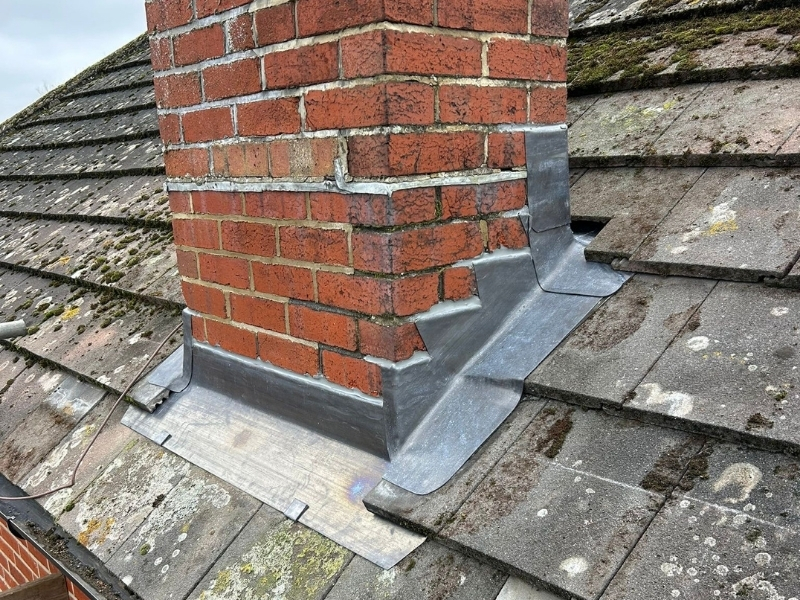
Lead flashing is strips or sheets of lead used to seal junctions on your roof. The most common locations are:
- Around chimneys — Stepped flashing up the sides, a back gutter behind, and an apron at the front
- Where roof meets wall — At abutments, typically stepped or continuous flashing
- Around roof windows — Skylights and Velux windows have lead or similar seals
- In valleys — Where two roof slopes meet, a lead-lined channel carries water away
- At parapet walls — Around flat roof edges with upstands
Why Lead is Used
Lead has been the material of choice for centuries because it:
- Can be shaped and dressed to fit complex junctions
- Is highly durable (properly installed lead lasts 50-100+ years)
- Is malleable and can be worked without heat
- Is self-healing for minor scratches
- Has a proven track record across all UK building types
Signs Your Flashing May Be Failing
Look for these warning signs:
- Damp patches inside — Especially on chimney breasts or near roof-wall junctions
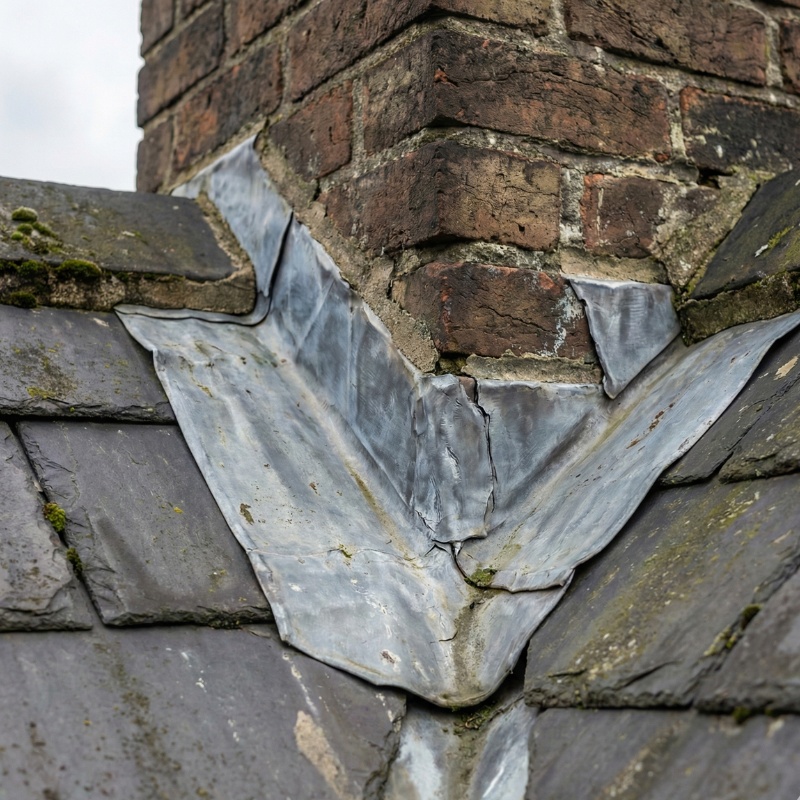
- Visible gaps — Lead that has pulled away from the wall
- Cracked or split lead — Usually visible as lines across the metal
- Failed mortar — The cement holding lead into wall joints has crumbled
- White staining on tiles — Lead oxide running down from ageing lead above
Repair vs. Replacement
Minor flashing issues can sometimes be repaired:
- Repointing where lead is set into the wall
- Patching small cracks or holes
- Resecuring lifted sections
However, if lead is extensively cracked, has thinned from wear, or has failed at multiple points, replacement is usually more cost-effective long-term.
Patination Oil
If you see white streaks running down your roof tiles from lead above, this is lead carbonate (oxidation). While not immediately harmful, it indicates the lead wasn't treated with patination oil after installation. This oil can be applied to stop further staining and help the lead weather to its characteristic grey colour.
Getting Flashing Checked
Flashing problems often show up as interior damp before you see obvious external issues. If you have unexplained damp patches, particularly near chimneys or where your roof meets a wall, it's worth having the flashing inspected by a professional.
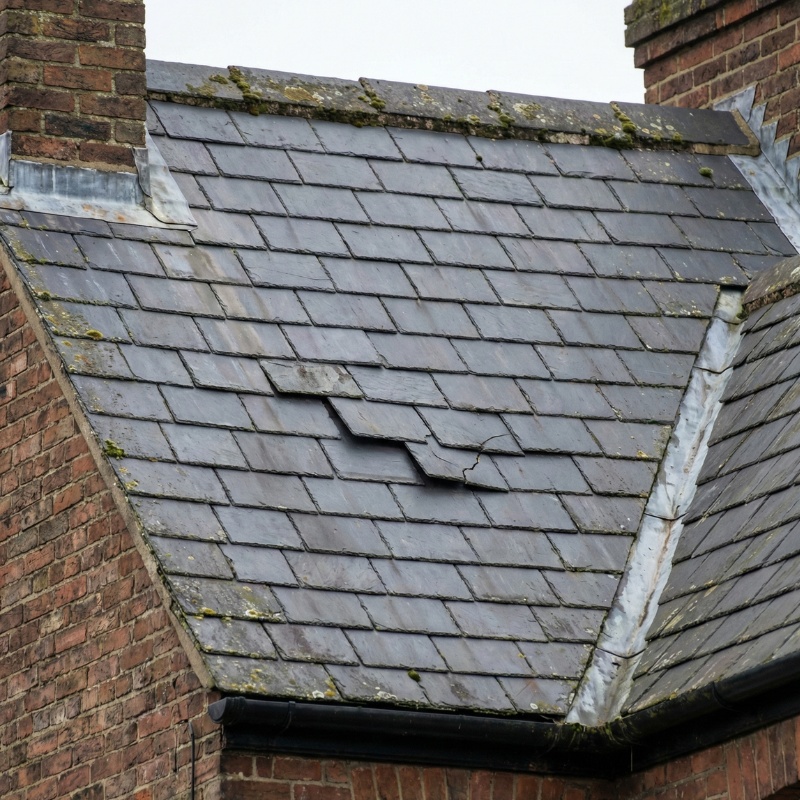
Visual Reference
Noticed Something Wrong?
If you've spotted any of these signs, we can carry out a free site survey and explain exactly what we find.