Water Stain on Ceiling After Rain: What It Means
Understanding why stains appear and how to find the real source of the leak.
Key Takeaways
- Don't ignore early warning signs—small problems become big ones
- Stay safe—never climb on your roof to investigate
- A professional survey costs nothing and provides peace of mind
Discovering a brown ring or damp patch on your ceiling after heavy rain is worrying. It almost certainly indicates water is getting in somewhere — but the cause isn't always directly above the stain.
Why Stains Appear After Rain
Water stains typically appear because rainwater has found a way into your home. However, there are several possible causes:
1. Roof Leak
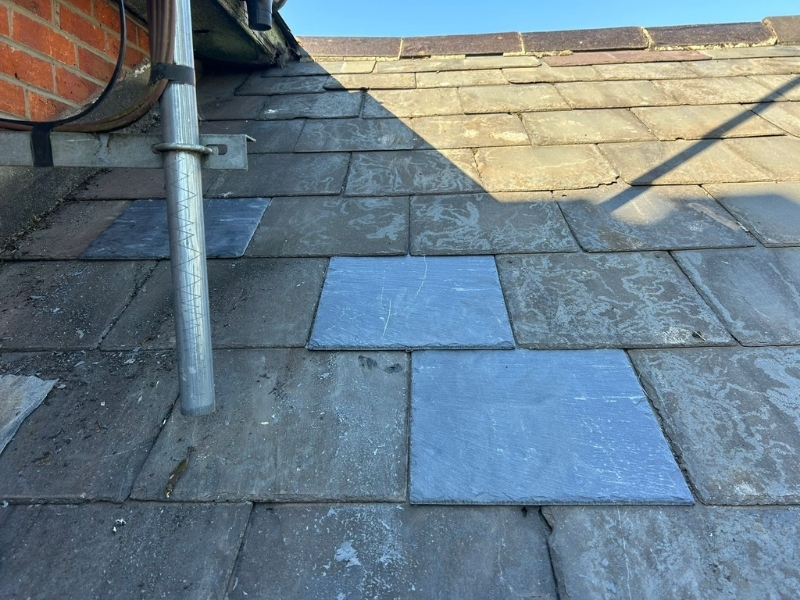
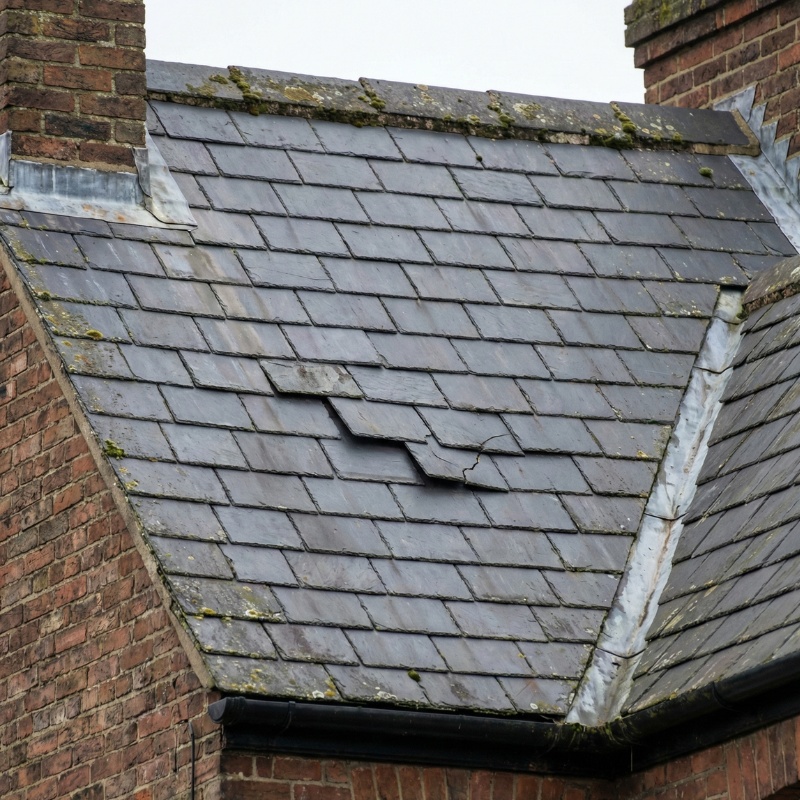
The most common cause. Water can enter through damaged tiles, failed flashing, or worn flat roof coverings. Importantly, water can travel along rafters and joists before dripping down, meaning the actual leak may be several metres away from where the stain appears.
2. Condensation
Sometimes what looks like a leak isn't one. Poorly insulated or ventilated loft spaces can cause warm, moist air to condense on cold surfaces. This water then drips down, creating stains that appear to be leaks. This is more common in winter and in rooms with high humidity (above bathrooms, kitchens).
3. Plumbing Issues
If you have water tanks, pipes, or an overflow in your loft, check for leaks or overflow issues. A sticking ballcock or weeping pipe joint can produce symptoms identical to a roof leak.
4. Flashing Failure
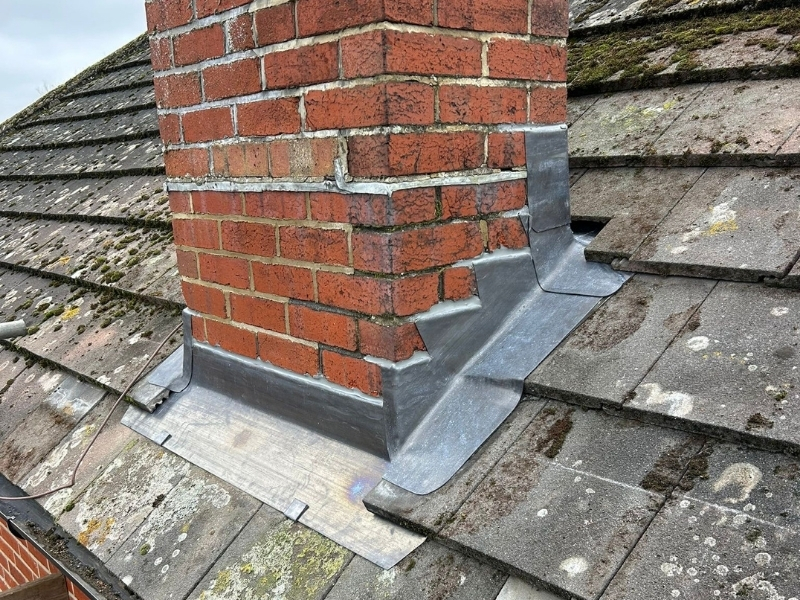
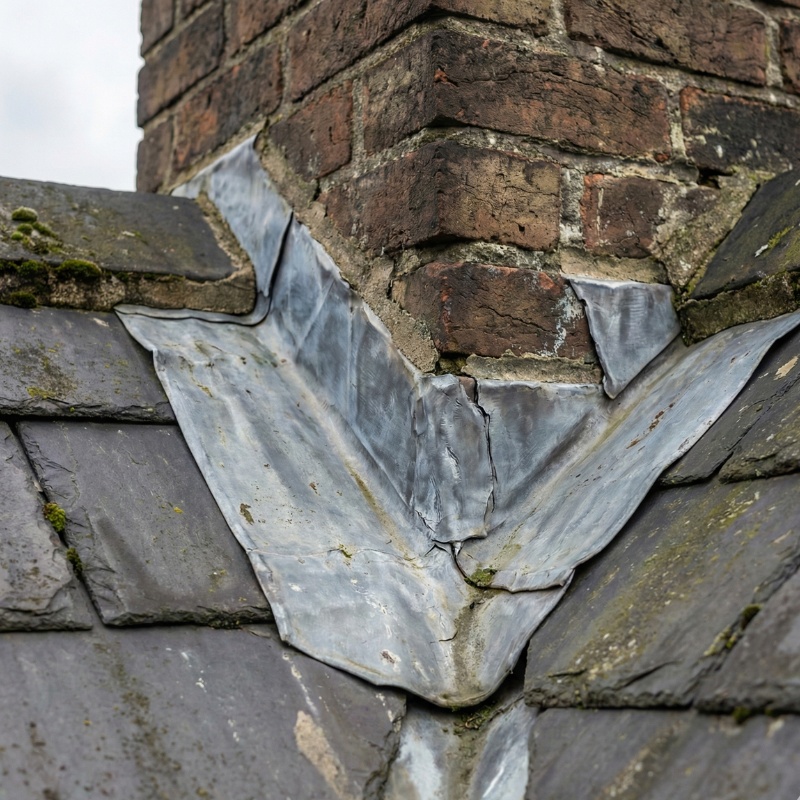
Where your roof meets a wall, chimney, or other structure, lead flashing seals the joint. If this fails, water tracks down the wall cavity before appearing on an interior ceiling — often some distance from the actual failure point.
What to Do Next
Don't ignore a ceiling stain. Even a small leak can lead to:
- Timber rot and structural damage
- Mould growth with associated health risks
- Damage to electrical installations
- Eventual ceiling failure in severe cases
Action steps:
- If safe to do so, check your loft during or after rain for obvious water entry
- Look for wet patches, water tracking marks, or drips
- Don't climb on the roof — it's dangerous and rarely helpful
- Contact a professional for a proper inspection
A trained roofer can trace the water path back to its source and recommend the appropriate repair.
Visual Reference
Noticed Something Wrong?
If you've spotted any of these signs, we can carry out a free site survey and explain exactly what we find.