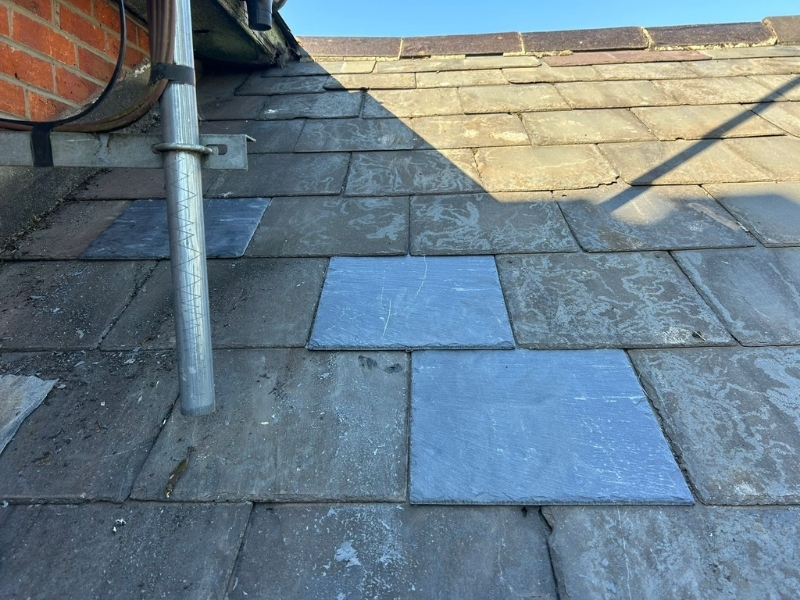
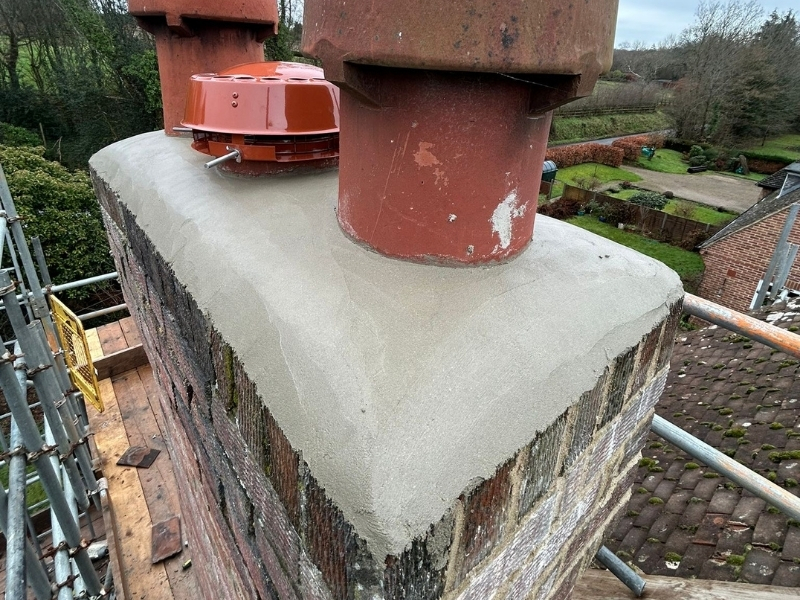
Slipped Roof Tiles: How Urgent Is It?
Understanding when slipped tiles need immediate attention and when they can wait.
Key Takeaways
- Don't ignore early warning signs—small problems become big ones
- Stay safe—never climb on your roof to investigate
- A professional survey costs nothing and provides peace of mind
High winds regularly displace tiles and slates. A single slipped tile might look minor, but it exposes the layer beneath — usually a breathable membrane or old felt — to conditions it wasn't designed to handle long-term.
Why Tiles Slip
Tiles are hung on battens (horizontal timber strips) using a nib (a small projection) that hooks over the batten edge. They slip when:
- Nibs break — Often due to age, frost damage, or manufacturing defects
- Battens rot — The timber can decay, losing its grip on the tile
- Nails fail — Where tiles are nailed, corrosion eventually weakens the fixing
- Wind damage — Strong gusts can lift tiles, breaking their seating
The Risks of Leaving Slipped Tiles
A slipped tile creates an opening in your roof's defences:
- Water entry — Rain can now reach the felt or membrane, which will degrade if constantly wet
- UV damage — Sunlight accelerates felt deterioration
- Wind damage — Gaps allow wind under surrounding tiles, making more likely to slip
- Further slippage — Tiles depend on their neighbours for stability; gaps create a cascade effect
How Urgent Is the Repair?
This depends on several factors:
- Single tile, minor slip — Important to fix, but not an emergency if the felt beneath is intact
- Multiple tiles or missing tiles — More urgent, as protection is significantly compromised
- Visible felt/membrane damage — Water is getting through; needs prompt attention
- Bad weather forecast — Anything compromised should be addressed before storms
What Can You Do?
- Don't climb on the roof — It's dangerous and can cause further damage
- Take photos from ground level — Useful for explaining the issue
- Check inside — Look in the loft for signs of water entry
- Arrange professional repair — A straightforward job for an experienced roofer
Most tile repairs are relatively quick and cost-effective — waiting until there's water damage inside is far more expensive.
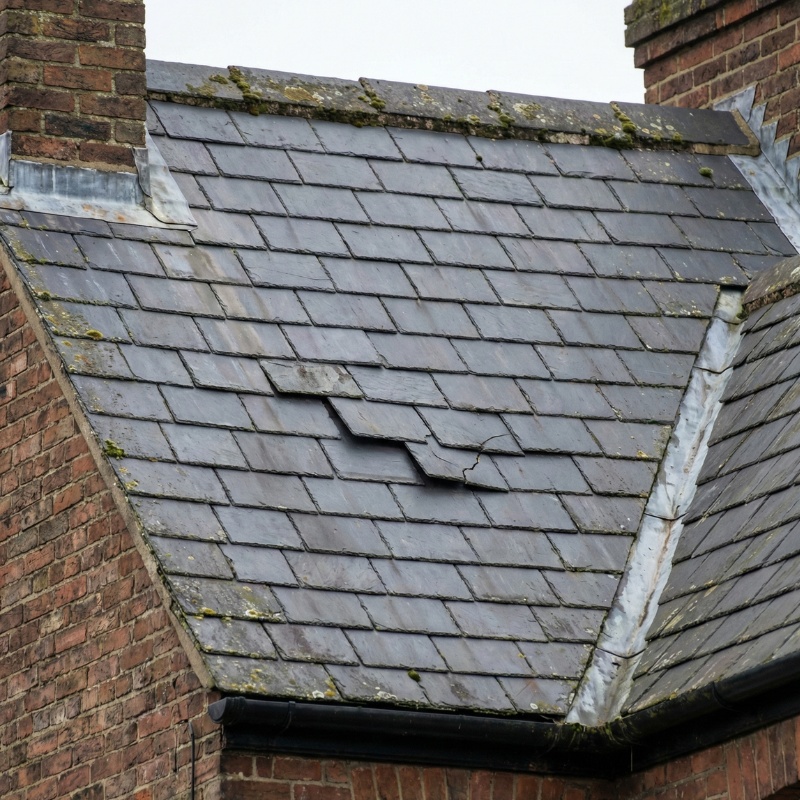
Visual Reference
Noticed Something Wrong?
If you've spotted any of these signs, we can carry out a free site survey and explain exactly what we find.